A Breakdown of the Various Fuse Types and Their Uses
Electrical systems require proper protection to prevent damage from overcurrent conditions. The following breakdown of the various fuse types and their uses will help you identify the right protective components for your specific application.
Different fuses serve distinct purposes across industries, from restaurant equipment to oil field machinery. Understanding these differences ensures you select components that match your voltage requirements, current ratings, and environmental conditions. The correct fuse protects expensive equipment and prevents dangerous situations in your facility.
Cartridge Fuses for Heavy-Duty Applications
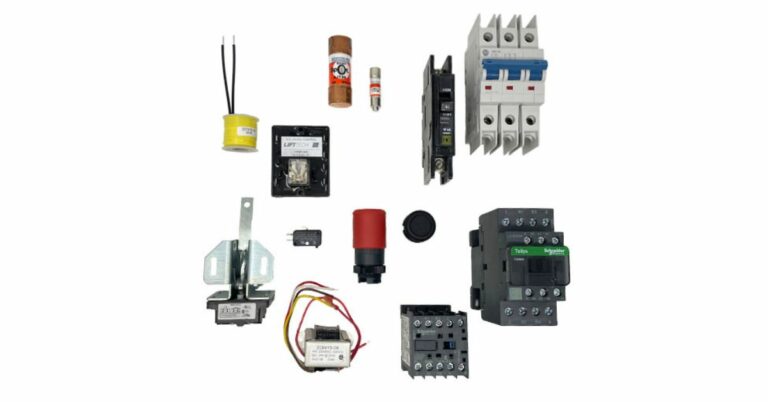
Cartridge fuses can handle high-current applications in commercial and industrial settings. These cylindrical components come in various sizes and amperage ratings to accommodate different power requirements. Manufacturers design them with either ferrule or knife-blade contacts, depending on the current capacity.
Industries rely on these industrial fuses for motor protection, HVAC systems, and large equipment installations. The enclosed design provides excellent protection against environmental factors like dust and moisture. You’ll find them in electrical panels, disconnect switches, and control cabinets throughout manufacturing facilities and agricultural operations.
Plug Fuses for Residential and Light Commercial Use
Plug fuses screw directly into fuse panels, similar to light bulbs. These components protect branch circuits in older electrical systems and in specific light-commercial applications.
There are two main types: Edison base fuses and Type S tamper-resistant fuses. The Edison base design accepts any amperage rating, while Type S fuses prevent incorrect replacements through their specific thread patterns.
Electricians commonly encounter these in residential service panels, small retail spaces, and older buildings. The visible element makes it easy to identify when replacement is necessary after an overcurrent event.
Blade Fuses for Automotive and Electronic Equipment
Blade fuses feature two metal prongs that insert into specialized fuse blocks. The automotive industry standardized these compact components for vehicles, but manufacturers now use them in a wide range of electronic equipment and machinery.
Different sizes include mini, standard, and maxi configurations, each handling specific current ranges. The transparent plastic housing allows for a quick visual inspection of the internal element.
Manufacturers incorporate these fuses into control panels, mobile equipment, and specialized machinery across multiple sectors. Their space-efficient design suits applications where panel space comes at a premium.
Time-Delay Fuses for Motor and Inductive Loads
Time-delay fuses withstand temporary current surges without opening the circuit prematurely. Motors, transformers, and other inductive loads draw a significantly higher current during startup than during regular operation.
These specialized fuses allow brief overcurrent conditions while still protecting against sustained overloads and short circuits. The dual-element design incorporates both quick-acting and time-delay characteristics.
Industries running pumps, compressors, and conveyor systems depend on these components to prevent nuisance trips. A breakdown of the various fuse types and their uses shows how proper fuse selection maintains operational efficiency while protecting valuable equipment investments.