Matching Pendant Controls to Different Crane Types
Choosing the right pendant controls is essential for safe, efficient crane operation. When matching pendant controls to different crane types, understanding how each crane works makes it easier to pick the perfect fit.
Each crane system has its own personality; what works great for one may not suit another. Understanding how pendant controls align with different crane types helps you buy with confidence and avoid disruptions.
Overhead Cranes and Standard Pendant Controls
Overhead cranes often use straightforward pendant controls with clearly labeled push buttons. These systems support vertical lifting and horizontal travel along fixed beams. Operators rely on responsive controls to move loads with precision in warehouses, manufacturing plants, and distribution centers.
A standard pendant setup typically includes directional buttons and emergency stop functions. Durable housing protects internal components from dust and repeated use.
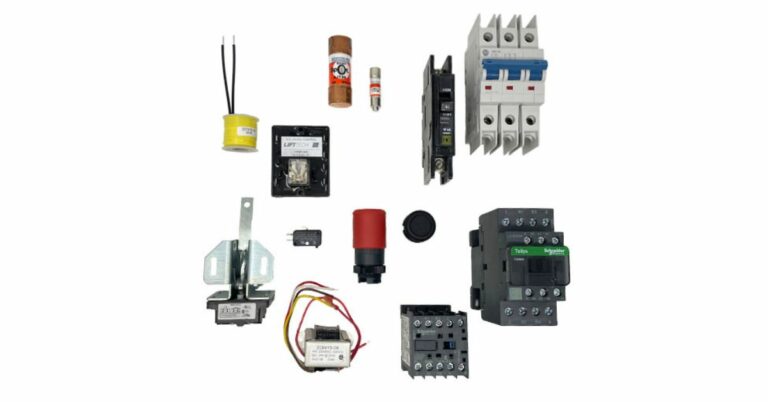
Buyers should focus on compatibility with existing crane wiring and control voltage. Choosing dependable pendant control station parts helps everything run reliably and minimizes interruptions in high-use environments.
Gantry Cranes and Heavy-Duty Configurations
Gantry cranes operate in outdoor or large open environments where conditions can change quickly. These cranes require pendant controls built with rugged materials that can withstand exposure to weather and debris. Operators often manage heavier loads, so the controls must provide a consistent response under demanding conditions.
A heavy-duty pendant may include reinforced casing and sealed buttons to prevent damage. Extended cable lengths also support a greater range of motion.
Look for control features that suit your crane’s lifting power and your workplace environment. Strong construction and reliable performance remain key factors when selecting components for gantry crane systems.
Jib Cranes and Compact Control Designs
Jib cranes serve smaller work areas and support localized lifting tasks. These systems benefit from compact pendant controls that allow for easy handling and quick operation.
Operators often work in tight spaces, so control units must remain lightweight and simple to use. Basic directional buttons and a clear layout help maintain efficiency without adding unnecessary complexity.
Shorter cable lengths typically suit these setups. Buyers should ensure the control design aligns with the crane’s range of motion and workspace limitations. A properly sized pendant helps maintain control without interfering with nearby equipment or workflows.
Hoist Systems and Precision Control Needs
Hoist systems focus on lifting and lowering loads with accuracy. Pendant controls on hoists need to respond accurately, giving operators the fine control required for careful, precise positioning.
Operators rely on responsive buttons to keep loads steady and avoid any unexpected movement. Controls often include clearly defined lift and lower functions, along with safety-stop features.
Durable internal components support repeated cycles in demanding environments. Buyers should confirm that control ratings match the hoist’s operational requirements. Consistent performance in these systems helps reduce equipment strain and supports steady, controlled lifting across different applications.
Unlock Safe and Efficient Crane Operation
Crane systems vary, so the same control setup doesn’t work for every application. The best results come from matching each crane with pendant controls designed for its specific demands, from handling heavy overhead loads to performing precise hoist lifts.
By matching pendant controls to different crane types, you’ll help your crew work more efficiently while reducing the risk of unexpected breakdowns. Ready to upgrade? Check out the options at The Tanooga Group, and find the perfect pendant controls to keep your operation on track.