How Reversing Contactors Support Motor Direction Control
Many motor-driven systems must move in more than one direction. Equipment such as hoists, conveyors, cranes, and material-handling systems may need a motor to run forward, stop, and then reverse as part of normal operation.
Reversing contactors support directional motor control. By changing how electrical power reaches the motor, these devices allow compatible motors to change rotational direction while keeping the switching process controlled.
What Is a Reversing Contactor?
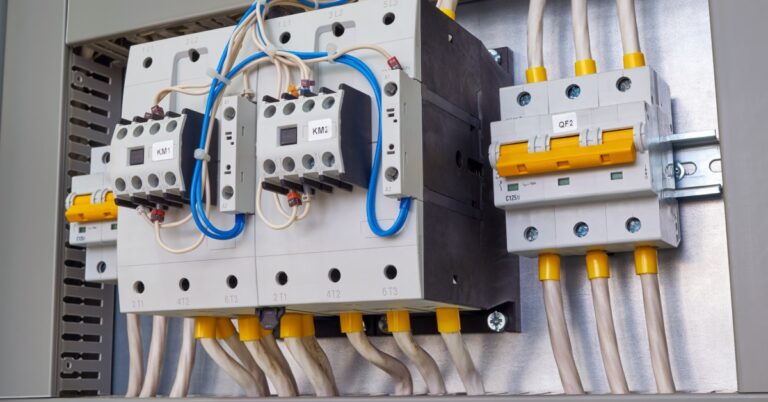
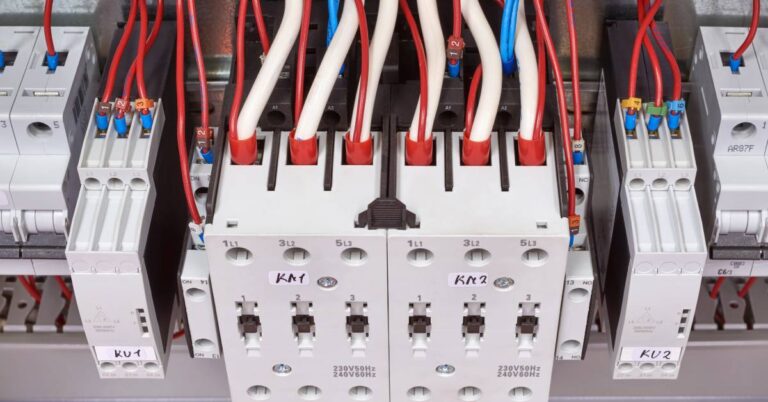
A reversing contactor setup typically uses two contactors that work together. One controls forward operation, while the other changes the phase connection necessary to make the motor rotate in the opposite direction.
The system must prevent both contactors from closing at the same time. If they did so, the resulting electrical condition could damage equipment or create a serious safety hazard.
How Motor Direction Changes
In a three-phase motor, reversing direction generally requires swapping two of the incoming power phases. A proper reversing contactor arrangement performs this switching function without requiring someone to manually change wiring.
These systems use electrical contactors to open and close the appropriate circuits based on commands from the motor control system. When the forward contactor energizes, the motor receives power in one phase sequence. When the reverse contactor energizes, the system changes that sequence so the motor turns in the opposite direction.
Interlocking Helps Prevent Simultaneous Operation
Reversing contactor assemblies typically include an interlocking method that prevents the forward and reverse contactors from operating together. Depending on the system, the design may use mechanical interlocking, electrical interlocking, or both.
This protection plays an important role because activating both directions at once could create a phase-to-phase short circuit. Proper interlocking helps the control system maintain the intended switching sequence.
Where to Use Reversing Contactors
Now that we understand how reversing contactors support motor direction control, when is it applicable to use them? Any application that requires controlled forward and reverse motor movement may use a reversing contactor arrangement. Common examples include cranes, hoists, conveyors, doors, lifts, and other equipment that changes direction during operation.
The exact contactor requirements depend on factors such as motor voltage, current rating, control voltage, duty cycle, and the design of the existing control system. Buyers should match replacement components to the specifications their equipment requires rather than choosing a contactor based on appearance alone.
Why Correct Component Selection Matters
A contactor must handle the electrical load and operating conditions of the application. Using a component with incompatible ratings can affect system operation and may cause premature component failure.
Before ordering a replacement, buyers should verify the part specifications, electrical ratings, coil requirements, terminal configuration, and physical dimensions listed for their existing equipment. Those details can help reduce the risk of ordering an incompatible part.
Conclusion
Reversing contactors support motor direction control by switching the electrical connections that determine rotational direction. Interlocking mechanisms help keep forward and reverse commands separated, while properly selected components support reliable operation within the designed motor control system.
The Tanooga Group supplies electrical components for businesses across a wide range of industries. Browse the available inventory to find parts that match your equipment specifications, and order online for shipping throughout the United States.