Core Components of Industrial Electrical Systems
Industrial facilities depend on robust electrical infrastructure to power equipment, maintain operations, and ensure workplace safety. Understanding the core components of industrial electrical systems helps businesses make informed decisions when selecting parts for installation, maintenance, or upgrades.
These systems integrate multiple elements that work together to deliver reliable power distribution across manufacturing plants, oil fields, restaurants, farms, and countless other commercial settings. Each component serves a specific function within the larger electrical framework.
Power Distribution Equipment
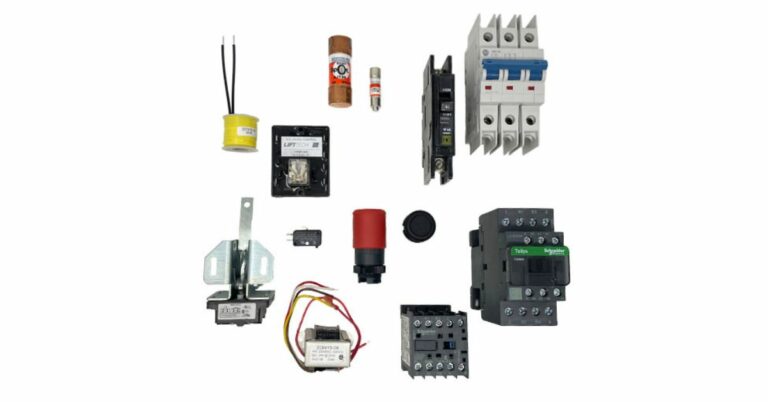
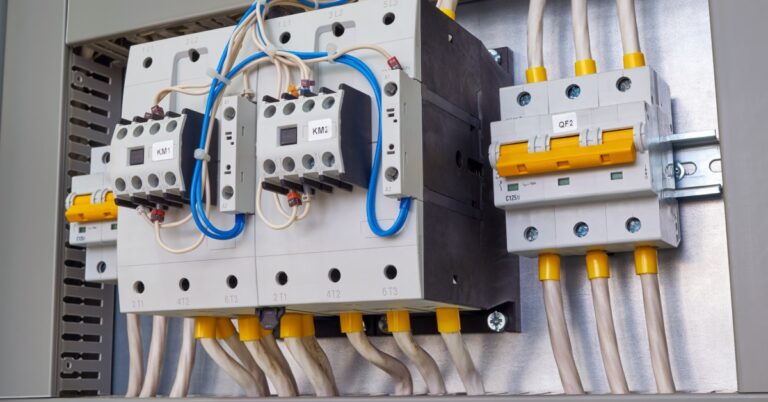
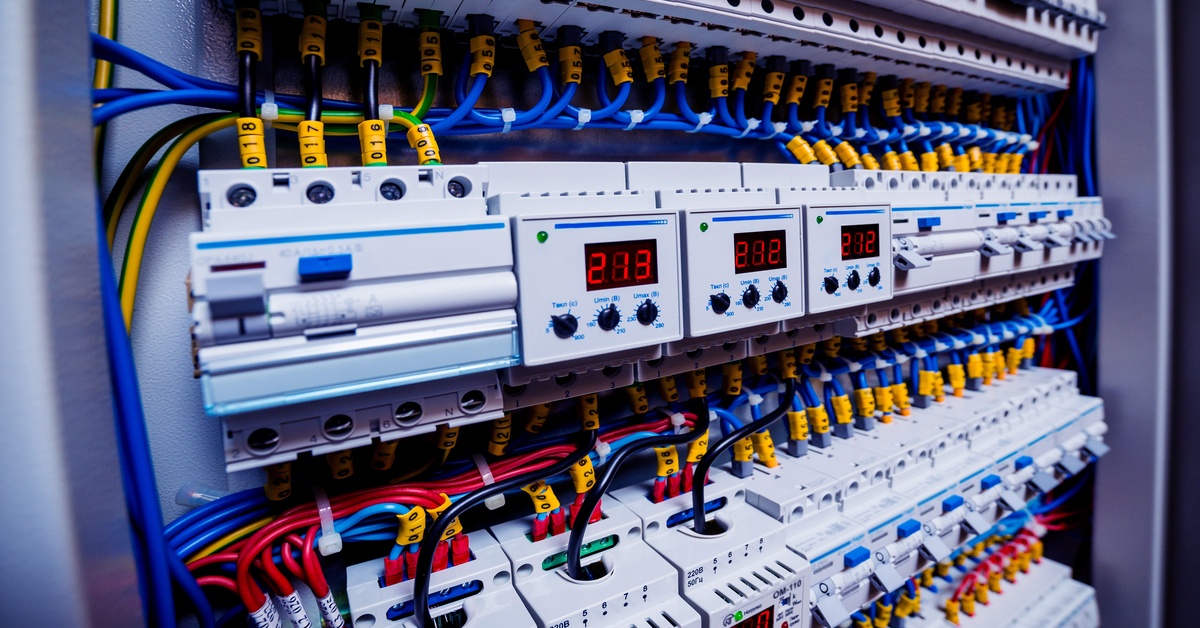
Transformers, switchgear, and circuit breakers form the backbone of power distribution in industrial settings. Transformers adjust voltage levels to match equipment requirements, while switchgear controls and protects electrical circuits from overloads and faults. Circuit breakers interrupt power flow during emergencies, preventing damage to machinery and reducing fire hazards.
Industrial facilities require heavy-duty versions of these components to handle high electrical loads. Distribution panels organize power delivery to different zones within a facility, creating manageable sections that technicians can service independently when issues arise.
Motor Control Systems
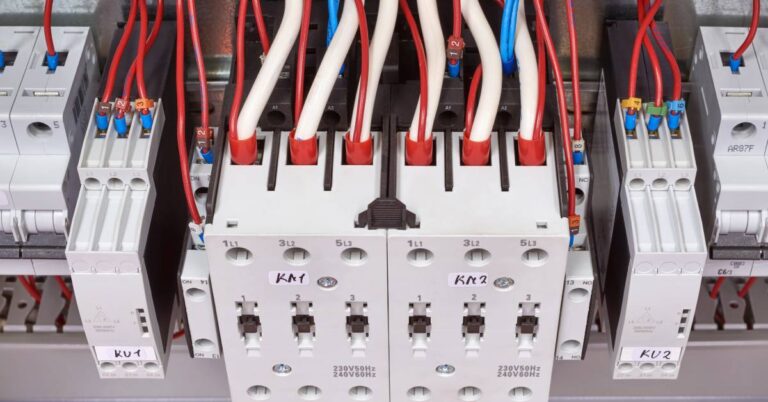
Electric motors drive conveyor belts, pumps, compressors, hoists, cranes, and countless other industrial machines. Motor starters and contactors regulate how motors receive power, controlling acceleration and preventing sudden surges that can damage equipment.
Variable frequency drives adjust motor speed based on operational needs, improving energy efficiency and extending equipment lifespan. Overload relays protect motors from excessive current draw that causes overheating. These industrial electrical components work together to optimize motor performance while safeguarding expensive machinery from electrical failures that halt production.
Control and Automation Devices
Programmable logic controllers coordinate automated processes throughout industrial facilities, execute timed sequences, and respond to sensor inputs. Relays act as electrically operated switches, allowing low-power control signals to operate high-power equipment without risking damage.
Sensors monitor temperature, pressure, flow rates, and other critical parameters, feeding data to control systems. Push buttons, selector switches, and indicator lights provide manual control options and visual status updates. Industrial operations increasingly integrate these devices to reduce manual labor, improve precision, and maintain consistent product quality across production runs.
Safety and Protection Components
Industrial electrical systems rely on several essential safety and protection components. Ground fault circuit interrupters detect electrical leakage and disconnect power before dangerous shocks occur, while fuses act as intentional weak points, providing overcurrent protection by failing before damage occurs to expensive equipment.
Emergency stop buttons give workers a quick way to cut off power during hazardous situations, and surge protectors defend sensitive electronics from voltage spikes caused by lightning strikes or grid fluctuations. Together, these devices form a comprehensive safety network that helps prevent accidents and minimize equipment loss.
Installing safety components correctly helps protect workplaces and ensures compliance with electrical codes. It’s essential to match the core components of industrial electrical systems to your facility’s needs and your operating practices. The Tanooga Group makes it easy for businesses in many industries to find reliable electrical parts that suit their requirements.