What Makes Relays Crucial in Electronics?
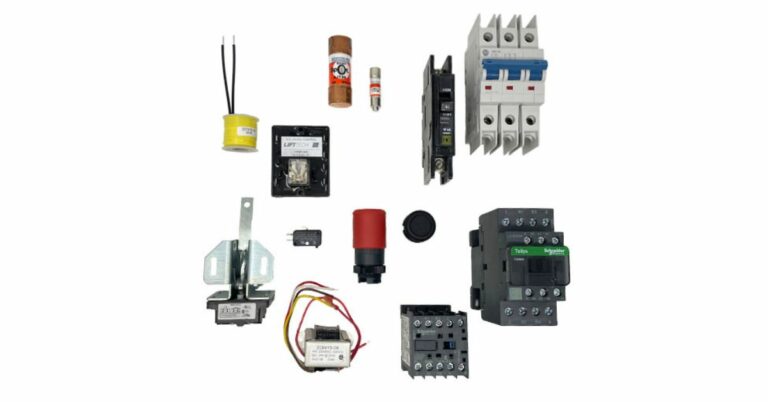
Many industries rely on dependable control systems to keep operations running safely and efficiently. What makes relays crucial in electronics? Relays give businesses a simple way to control high-voltage equipment with low-voltage signals. This ability supports equipment found in restaurants, oil fields, farms, warehouses, and hoist and crane systems.
When systems demand precision and reliability, relays provide consistent switching performance. Their design helps protect sensitive components while maintaining smooth electrical control in demanding industrial environments.
Relays Provide Safe Electrical Control
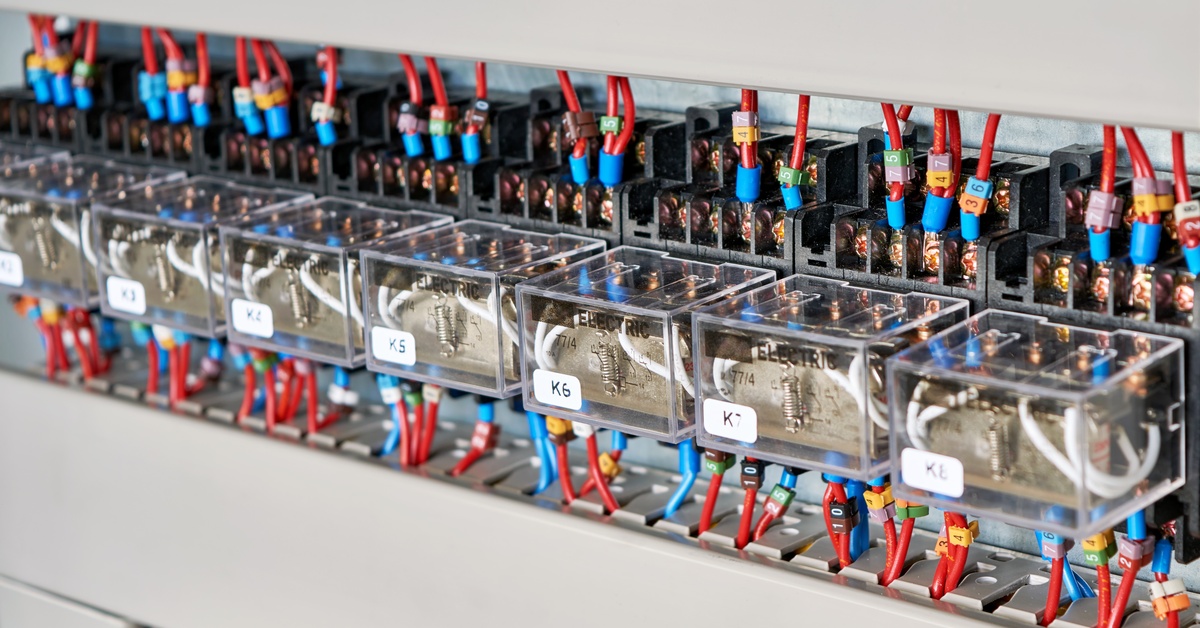
Relays allow one circuit to control another without direct electrical contact. This separation protects operators and equipment from excessive voltage and current. A small control signal activates the relay, opening or closing a larger power circuit.
Many industries use this setup to manage motors, lighting systems, heating elements, and automated machinery. By separating control and power, relays reduce risk and improve operational safety. This straightforward function supports compliance with electrical standards across commercial and industrial settings.
Relays Improve System Reliability
Reliable switching supports productivity across industries. Relays respond quickly to changes in electrical signals, which helps prevent overloads and short circuits. Many systems use relays to trigger shutdowns during unsafe conditions, protecting valuable equipment from damage.
Their durable construction handles repeated cycles in demanding environments such as agricultural operations or heavy industrial facilities. When businesses depend on automated systems, they need components that operate consistently under pressure. Relays deliver dependable performance that supports continuous operations.
Relays Support Versatility Across Industries
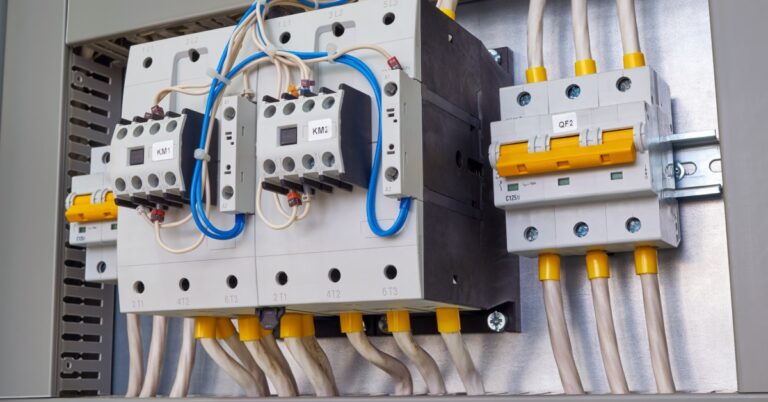
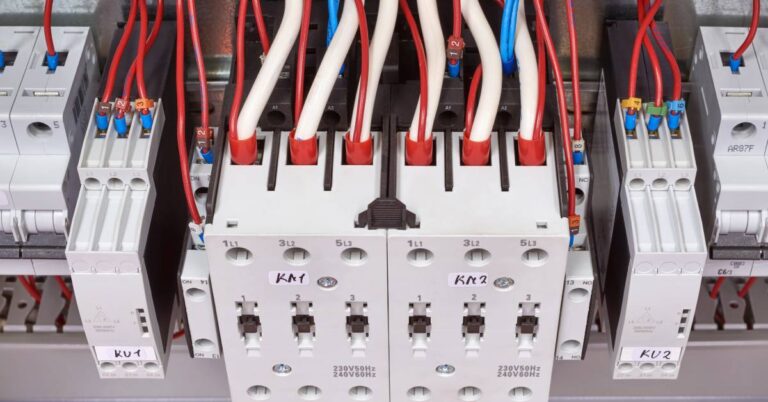
Different applications require different configurations, and relays meet that demand with flexible designs. Businesses use them in control panels, HVAC systems, cranes, conveyors, and irrigation systems. Their compact size makes integration into existing electrical layouts easy.
Because they serve so many purposes, suppliers must maintain a strong inventory to meet diverse needs. What makes relays crucial in electronics? Their ability to protect circuits, manage power, and adapt to varied applications explains their continued importance. The Tanooga Group supplies a wide range of electrical relays to support industries across the United States.