Understanding How Motor Control Contactors Operate
Understanding how motor control contactors operate is essential knowledge for anyone who manages or maintains industrial electrical systems. Contactors switch high-current loads in motor circuits with the precision and durability industrial environments demand. When you understand how they work, you’ll choose the right component for the job and protect your operations from unexpected downtime.
What a Contactor Does in a Motor Circuit
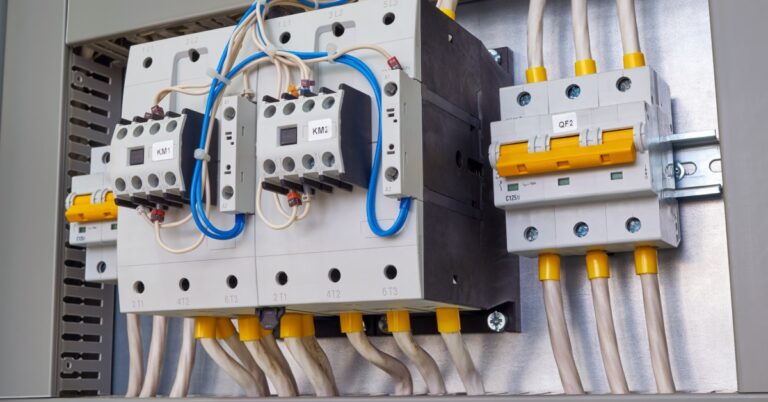
A contactor is an electrically controlled switch. It uses a low-voltage control signal to open and close contacts that carry high-voltage current to a motor. This separation between the control and power circuits provides operators with a safe, efficient way to start and stop large motors from a remote location. Unlike a standard switch, a contactor handles the repeated switching cycles required by industrial motors without wearing out quickly.
The Role of the Electromagnetic Coil
The coil drives the entire switching action inside a contactor. When the control circuit applies voltage to the coil, it generates a magnetic field that pulls an iron armature toward the electromagnet. That movement closes the main contacts and allows current to reach the motor. When the control voltage drops, the coil de-energizes, the magnetic field collapses, and a spring returns the contacts to the open position, cutting power to the motor.
Key Components You Should Know
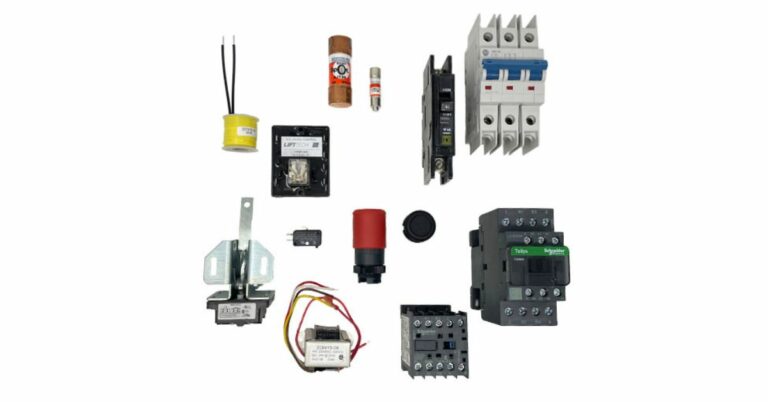
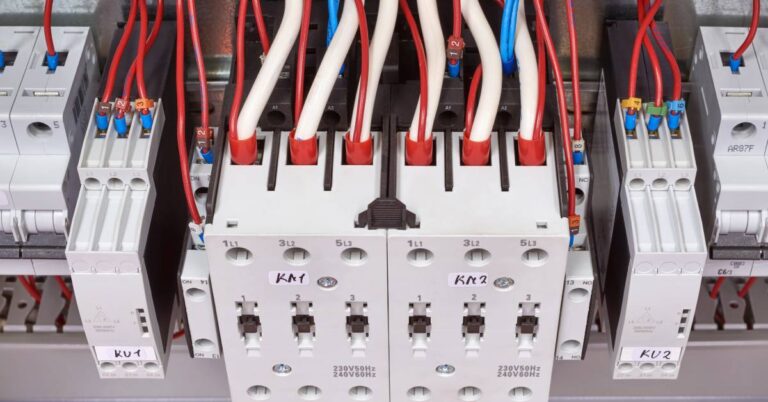
Every contactor shares a core set of components that work together to manage motor loads:
- Main contacts carry the full load current from the power supply to the motor.
- Auxiliary contacts provide feedback signals for interlocking and control circuit logic.
- The electromagnetic coil generates the magnetic field that drives contact movement.
- Arc suppression components manage the electrical arc that forms when contacts open under load.
Contact Ratings and Why They Matter
Each contactor carries a current rating and a voltage rating. The current rating indicates the maximum continuous load the contacts can carry without overheating. The voltage rating sets the maximum system voltage the contactor can safely switch. Exceeding either figure shortens contact life and creates a real safety risk. Always match the contactor’s ratings to the actual motor load before placing an order.
Working with a reliable contactors supplier gives your team access to products that meet precise electrical specifications. Understanding how motor control contactors operate helps purchasing managers and maintenance staff make well-informed decisions about components. Tanooga.com stocks a wide selection of motor control contactors built for industrial applications, so you can find the right fit and order with confidence.