What To Look for During a Hoist Brake Inspection
Hoist brakes play an important role in controlling suspended loads and supporting safe equipment operation. Regular inspections can help identify visible wear, damage, or other conditions that may require maintenance before they contribute to equipment problems.
A hoist brake inspection should follow the equipment manufacturer’s maintenance requirements and the procedures established for the worksite. Below, we’ll outline what to look for during a hoist brake inspection.
Check for Visible Wear and Damage
Start by examining accessible brake components for signs of physical deterioration. Look for cracked, bent, loose, or damaged parts that could affect brake operation.
Pay attention to surfaces that show unusual wear patterns or signs of excessive heat. Discoloration, glazing, or damaged friction material can indicate that a component needs further evaluation. Inspectors should document anything that differs from the equipment’s expected condition.
Look at Brake Linings and Friction Surfaces
Brake linings and friction surfaces experience wear as the braking system operates. During an inspection, check their condition against the specifications provided for the hoist.
Uneven wear can also provide useful information. A worn surface does not automatically identify the cause of a problem, so qualified maintenance personnel should determine what repair or replacement work the equipment requires.
Inspect Connections and Moving Components
Brake assemblies depend on multiple parts working together. Inspect visible connections, fasteners, springs, linkages, and other moving components for damage, looseness, corrosion, or restricted movement.
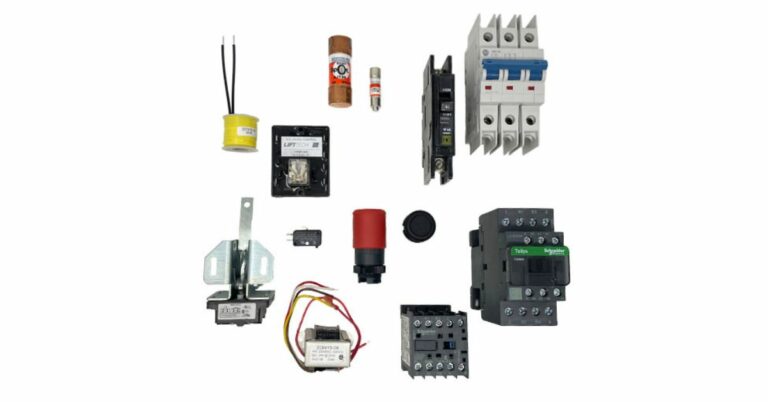
When replacement becomes necessary, selecting the correct crane brake parts matters. Components must match the requirements of the specific hoist and brake assembly rather than simply appearing similar to the part it is replacing.
Watch for Contamination and Debris
Another thing to look for during a hoist brake inspection is oil, grease, dirt, and other contaminants that can collect around brake assemblies. Inspectors should note contamination that reaches friction surfaces or interferes with moving components.
Debris can also restrict movement or make wear harder to identify. Keeping the area clean enough for a proper visual inspection can make it easier to recognize changes in component condition.
Pay Attention to Changes in Brake Performance
A visual inspection provides valuable information, but changes during operation can also signal a potential problem. Unusual noises, inconsistent stopping, unexpected movement, or changes in brake response should receive attention according to established maintenance procedures.
Do not assume that replacing a visibly worn part will resolve every braking issue. Hoist brake systems include interacting components, and trained personnel should diagnose performance concerns before equipment returns to normal operation.
Make Brake Inspections Part of Routine Maintenance
Consistent hoist brake inspections can help identify wear, damage, contamination, and loose components before those conditions become more serious. Following established inspection procedures also helps maintenance teams make informed decisions about when components require replacement.
When you need replacement electrical or hoist components, explore The Tanooga Group’s available inventory to find parts that match your equipment requirements.