Common Symptoms of a Faulty Push Button Switch
Push button switches give operators a direct way to start, stop, or control equipment. When a switch begins to fail, the problem may appear small at first, but unreliable operation can interfere with normal equipment use.
Recognizing common symptoms of a faulty push button switch can help buyers identify when a component may need closer inspection or replacement. Several signs can indicate that a push button is no longer functioning as expected.
The Button Does Not Respond Consistently
One of the clearest warning signs is inconsistent operation. A button may work during one press but fail to respond the next time.
The problem may also appear as a delayed response after the operator presses the button. When equipment does not react consistently to the same input, the switch or another component in the control circuit may require inspection.
The Button Feels Loose or Sticks
A push button should move smoothly when pressed and return to its normal position. A button that feels loose, sticks in place, or does not return correctly may have mechanical wear or physical damage.
Changes in how the switch feels can provide an early indication of a problem. Operators should avoid forcing a button that no longer moves normally.
Visible Damage Appears Around the Switch
Physical condition can reveal useful information about a push button switch. Cracks, broken housings, or damaged button surfaces can indicate that the component has reached the end of its usable service life.
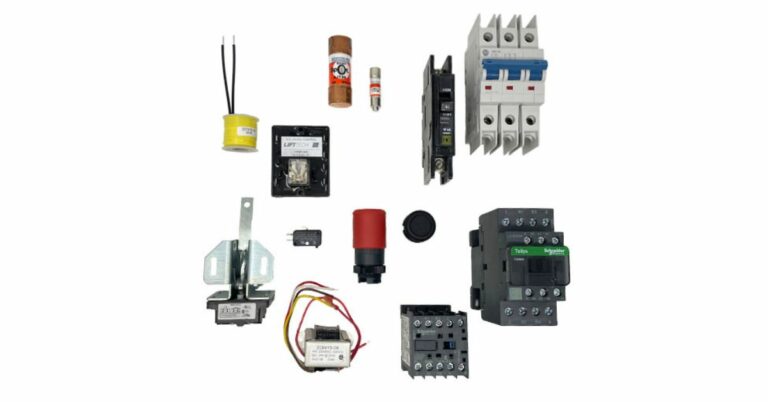
When inspecting pendant control station parts, buyers should also look for damage around the switch mounting area. A loose or damaged component may affect reliable operation and should receive attention before continued use.
Equipment Starts or Stops Unexpectedly
Unexpected equipment behavior may also point to a control problem. For example, equipment may stop after the release of a button even though it should continue operating, or a command may fail to engage.
Several electrical or mechanical issues can cause these symptoms, so the switch should not automatically receive the blame. Qualified personnel should inspect the system and determine the source of the problem before replacing components.
The Switch Requires Extra Pressure
A push button that suddenly requires more force than usual is another common symptom of a faulty switch. Operators may notice that a normal press no longer activates the control and that additional pressure becomes necessary.
Operators should never ignore this change. Continued force can place additional strain on an already damaged component and may make reliable control more difficult.
Replace Worn Push Buttons When Necessary
Faulty push button switches can show several warning signs, including inconsistent response, sticking, visible damage, or changes in the amount of pressure required for operation. Paying attention to these symptoms can help identify components that may need inspection or replacement.
The Tanooga Group carries electrical supply components for businesses across a wide range of industries. Browse our available inventory to find the replacement parts you need and order online for delivery anywhere in the United States.