Common Causes of Contactor Failures Explained
Machinery depends on countless small components working behind the scenes, and most go unnoticed until something fails. The following guide explores the common causes of contactor failures. When this component wears out, it can stop a motor or shut down an entire production line with little warning. Understanding why they fail helps maintenance teams spot early warning signs and address problems before downtime disrupts the workday.
Electrical Contacts Wear Out Over Time
Each time a contactor closes, the electrical contacts inside touch and separate again. This repeated action creates small amounts of arcing, which slowly erodes the metal surface. Over thousands of cycles, the contacts pit, blacken, and lose their ability to conduct electricity cleanly. Facilities that run equipment around the clock, like processing plants and hoist operations, see this wear happen faster than facilities with lighter use.
Excessive Heat Damages Internal Components
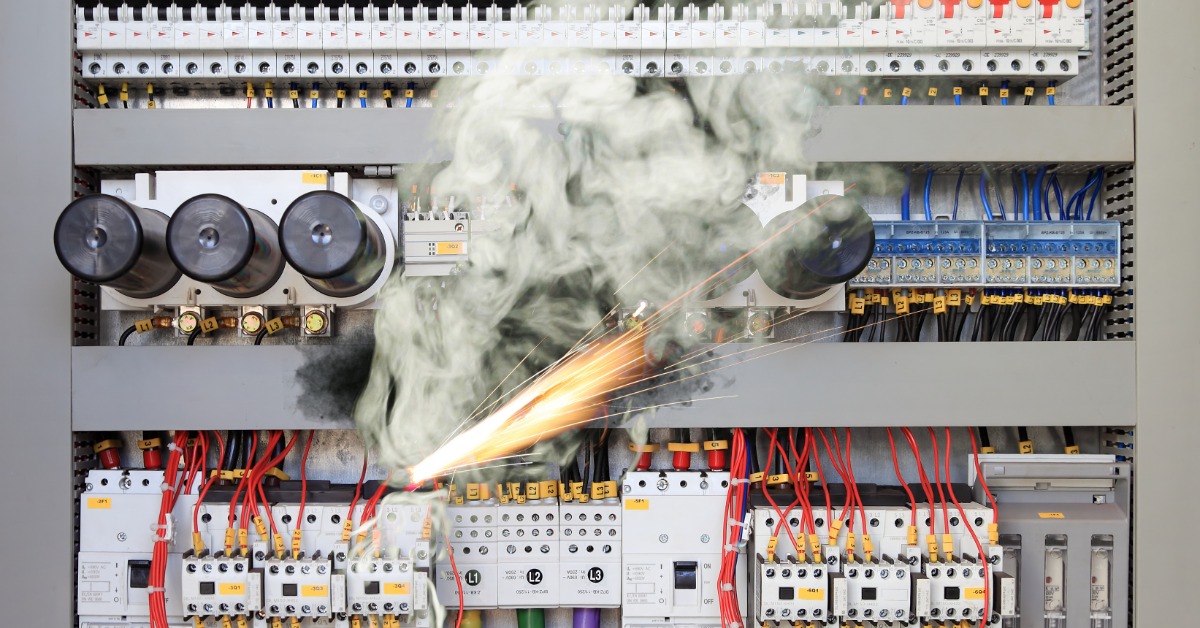
Contactors produce heat whenever current flows through them, so proper airflow is important. Dust and debris can trap that heat inside the enclosure, and a poorly designed panel may make the problem worse. Over time, excessive heat can damage insulation, distort plastic housings, and wear down the coil that powers the contactor.
Equipment used on farms and oil fields faces greater exposure to dirt and high temperatures, which raises the risk of overheating. Regularly clearing vents and inspecting panel seals help heat escape before it causes lasting damage.
Loose or Corroded Connections Interrupt Current
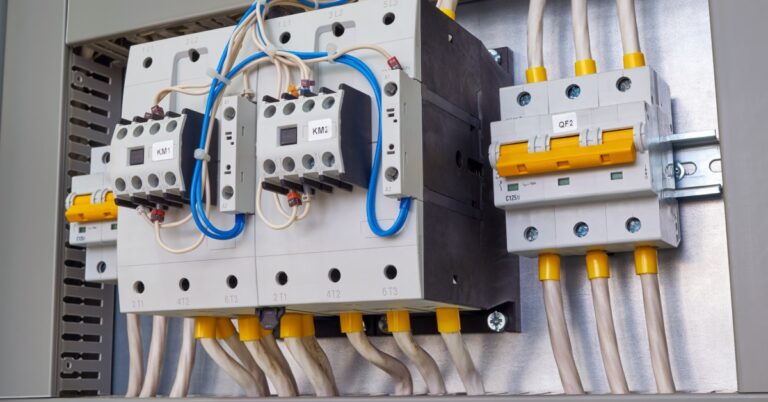
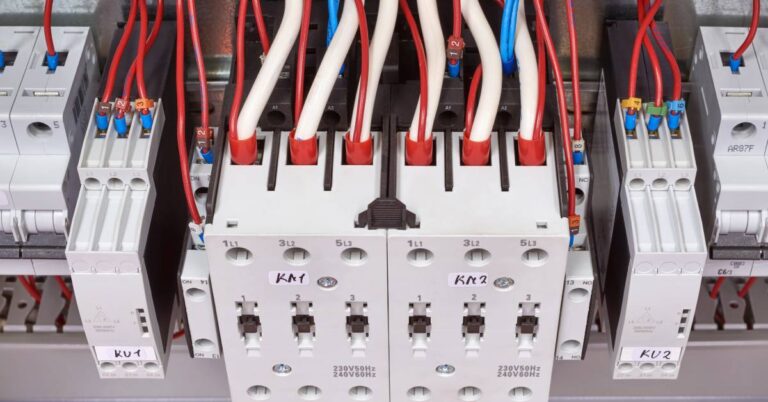
Loose connections create resistance, and that resistance produces heat exactly where the contact should be strongest. Corrosion causes a similar problem by interfering with the direct connection between metal surfaces. As these issues worsen, equipment may flicker, lose power, or shut down entirely without warning. Routine inspections help catch loose terminals and corrosion before they lead to a complete contactor failure.
Mechanical Wear Affects Moving Parts
A contactor depends on its spring and armature to open and close properly, so these moving parts can wear down over time, just like the electrical contacts. During routine maintenance, look for these warning signs:
- Chattering or buzzing sounds when the contactor engages
- Visible pitting or discoloration on the contact surfaces
- A coil that feels hot to the touch shortly after startup
- Slow or incomplete closing of the contactor
When your team catches these signs early, they can schedule a replacement before the part fails during a critical operation. Proactive monitoring and timely maintenance can help prevent costly equipment downtime and ensure uninterrupted production.
The Bottom Line on Contactor Care
Keeping equipment running starts by paying attention to the small components behind the scenes. Common causes of contactor failures explained show how excess heat and everyday wear can shorten a contactor’s lifespan and lead to unexpected shutdowns.
No matter what type of facility you manage, adding electrical contactors to your routine maintenance checks can help you catch issues before they disrupt operations. Keeping dependable replacement parts from The Tanooga Group on hand gives your team a faster way to respond when a contactor finally reaches the end of its service life.