Overhead Crane Parts Most Prone to Breakdowns
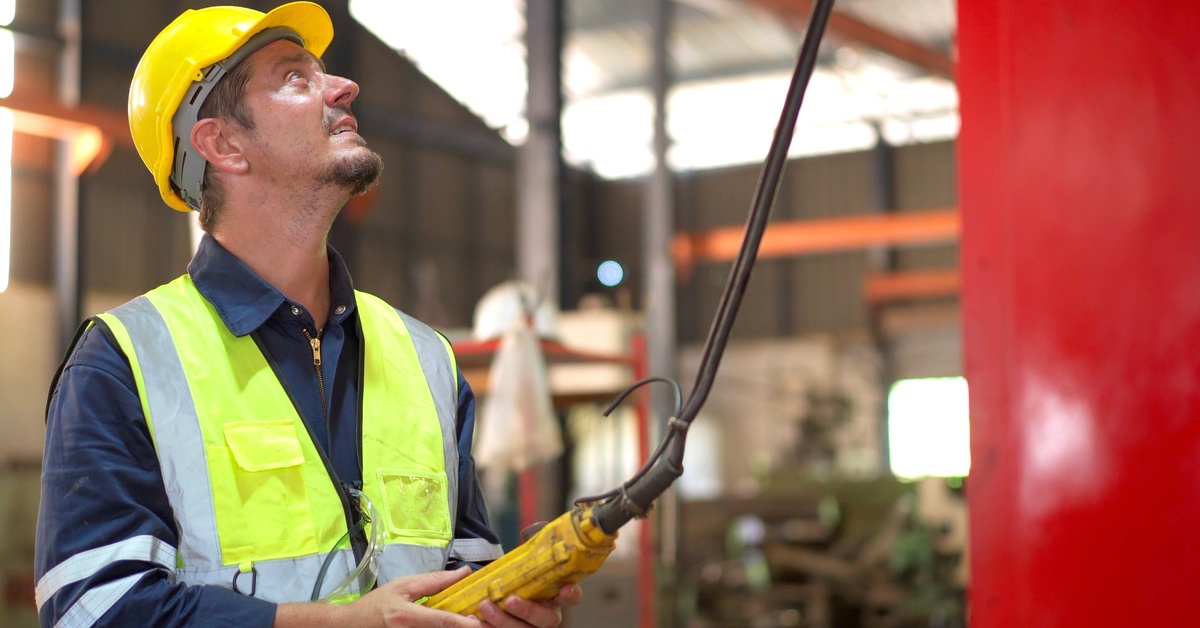
Overhead cranes handle heavy loads day after day, but the components that take the most punishment often sit in the smallest package: the pendant station. Operators grip these controls dozens of times an hour, and that constant handling wears down internal parts long before the crane’s larger mechanical systems show any strain. The overhead crane parts most prone to breakdowns begin with this often-overlooked piece, since pendant and pushbutton failures account for a large share of unplanned crane downtime.
Why Pendant Stations Wear Out Faster Than Other Crane Parts
Operators rely on the pendant for every lifting and lowering maneuver, with buttons that are pressed thousands of times each week as crews guide the crane’s movements. Over time, dust and moisture accumulate inside the housing, and grease from nearby equipment can make things worse, gradually degrading the electrical contacts that signal the crane’s motor controls.
The pendant station, which often hangs at chest height, is also prone to bumps and impacts, sometimes swinging into equipment or the floor during fast-paced work. Over time, minor collisions can lead to cracks or internal damage that compromise the safety and reliability of the controls.
The Push Button Control Station Parts That Fail First
Push button control station parts can fail long before the rest of the crane requires maintenance. Facility managers should watch for wear in these areas:
- Contact blocks, which lose conductivity after repeated cycling
- Membrane switches, which crack or stop responding under heavy use
- Strain relief cords, which fray where the cable enters the housing
- Enclosure seals, which let dust and moisture reach internal wiring
- Cable connectors, which loosen from constant movement and vibration
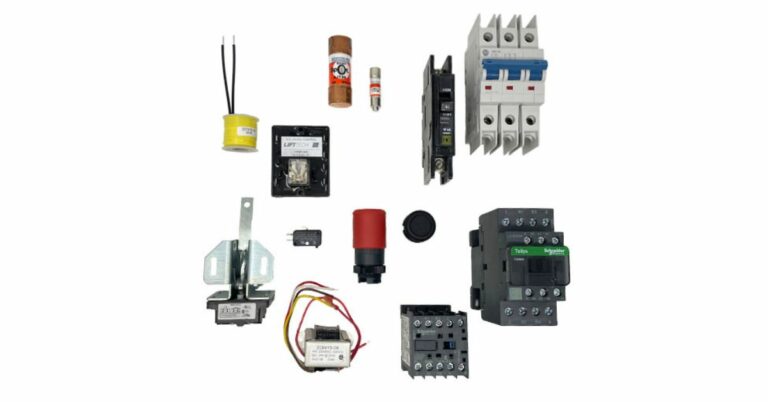
Replacing these parts individually costs less than waiting for a full pendant failure that halts production. Proactive maintenance helps ensure that push button control station issues are resolved before they escalate into costly downtime.
Signs Your Pendant or Pushbutton Station Needs Repair
A sticking button is often the first sign of trouble, and operators should report it right away rather than trying to work around the issue. If the crane responds only after pressing the button several times, the contacts inside the station are likely worn.
Cracked housings can leave internal wiring exposed to dust and moisture, creating a serious safety risk on the floor. Crews should also look for loose or exposed cables near the strain relief, as this kind of damage can quickly worsen.
Keep Your Overhead Crane Running Smoothly
Routine inspections catch most pendant issues before they cause a shutdown. Facility teams should build pendant checks into their regular maintenance schedule and replace worn components as soon as they appear rather than waiting for a full failure. Stocking common replacement parts on-site also reduces repair time when something breaks down.
Pendant and pushbutton failures don’t have to slow down your operation. The overhead crane parts most prone to breakdowns won’t catch your team off guard when you know what to watch for and keep the right replacement parts on hand. Browse Tanooga.com for push button control station parts and other electrical components your facility needs to keep lifts running on schedule.