How To Choose the Right Fuse for Any Application
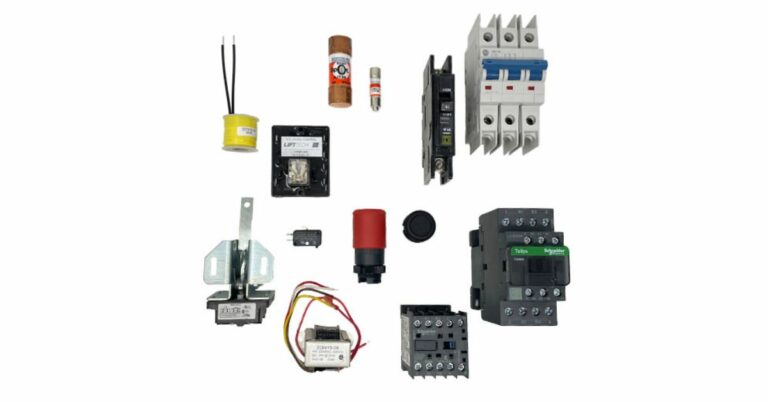
A fuse may look like a modest part, but the right choice deserves careful attention. Each fuse has defined electrical characteristics that suit certain circuits and equipment. A poor match can lead to nuisance fuse operation or leave equipment without the protection its design calls for. This guide covers how to choose the right fuse for any application with a practical look at the factors that shape the selection process. When it’s time to replace a fuse, browse our available electrical components and find the part that matches your established system requirements.
Check the Fuse’s Voltage and Current Ratings
Voltage and current ratings provide a logical place to start. The fuse’s voltage rating must meet or exceed the circuit voltage. Its current rating also needs to suit the circuit and the equipment specifications.
Don’t choose a higher current rating just because a fuse has opened more than once. A fuse that opens repeatedly can point to a circuit issue that deserves proper evaluation. Refer to equipment documentation, electrical drawings, or the existing approved fuse specification before you select a replacement.
Consider Fast-Acting and Time-Delay Fuses
Two fuses with the same amp rating can respond very differently under electrical load. Fast-acting fuses react quickly when current exceeds their limits. They can suit circuits where even a brief overcurrent could cause damage.
Time-delay fuses tolerate short, temporary current surges before they open. Motors, transformers, and other equipment can draw extra current at startup, so a time-delay design may suit those applications. The equipment specification should identify the proper fuse type.
Check the Interrupting Rating and Fuse Class
A fuse must safely handle the available fault current at its installation point. The interrupting rating states the maximum fault current the fuse can interrupt under specified conditions. This value deserves attention in commercial and industrial electrical systems, where available fault current can reach high levels.
Fuse class also matters. Different classes can have distinct dimensions, performance characteristics, and rejection features. Two fuses may appear similar at a glance, but serve very different purposes.
Confirm the Physical Size and Mount Style
Electrical ratings aren’t the only factors to review. Choosing the right fuse for any application requires a closer look at physical size and mounting style. The fuse must fit the holder, block, or disconnect in the existing setup.
Details like cartridge dimensions and terminal design can also affect compatibility. For example, a fuse with the correct amperage won’t serve as a proper replacement if its dimensions don’t match the fuse holder. Compare the full part specifications rather than relying on appearance alone.
Choose Every Fuse With Care
A suitable fuse matches the circuit’s electrical requirements, equipment specifications, fuse class, response characteristics, and physical format. Never treat amperage as the sole selection factor. For new installations or any situation without a documented fuse specification, consult a qualified electrical professional who can assess the application.
Once you have the correct specifications in hand, turn to Tanooga for the industrial fuses you need. Explore our inventory and order the appropriate components for your application today.