How Pendant Control Stations Function in Operations
Pendant control stations play a critical role in the safe and efficient operation of equipment across industries. These compact control devices allow personnel to start, stop, and adjust machinery with ease.
Their reliable design and user-friendly interface make them an essential part of daily processes. In this article, we’ll explore how pendant control stations function in operations, focusing on their design, application, and benefits.
The Basics of Pendant Control Stations
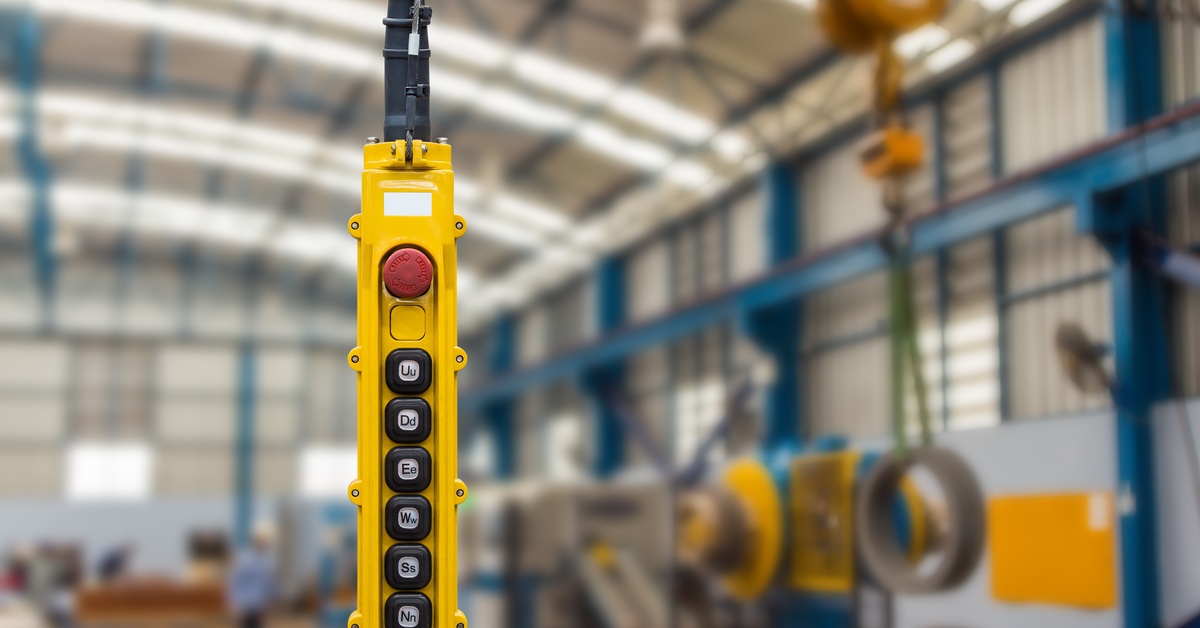
Pendant control stations are manually operated devices that control the power flow or function of a crane or a hoist. Each station typically contains one or more buttons, with each button wired to perform a specific function such as start, stop, or reset. Some systems may include additional switches or indicator lights to provide feedback or allow further control customization.
The housing of these control stations can typically withstand demanding industrial environments. They often consist of durable materials such as polycarbonate or metal and can resist dust, moisture, and impact. By using intuitive designs and color-coded buttons, operators can quickly identify the correct controls and act swiftly, reducing the risk of error or accident.
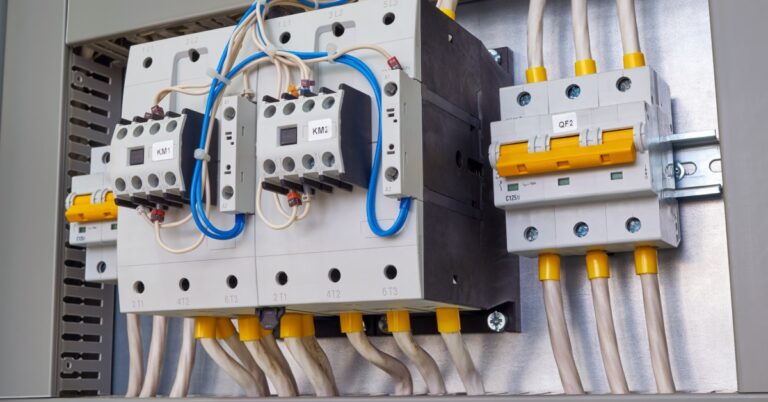
How They Integrate Into Operational Systems
Pendant control stations serve as portable command centers for industrial machinery. Unlike fixed push-button stations, pendants hang from a cable or mount to a flexible arm, giving operators direct control right where the work happens.
When an operator presses a button, the electrical signal triggers an action in the connected equipment. For example, pressing the green “start” button may energize a motor, while the red “stop” button breaks the circuit to shut the motor down.
These stations often serve as the human-machine interface (HMI) on the production floor. They offer a simple, tactile way to initiate commands without needing to interact with complex systems or screens. Their real-time functionality ensures that operators can make immediate adjustments to equipment as needed, which supports workflow efficiency and safety.
Key Components That Make Them Work
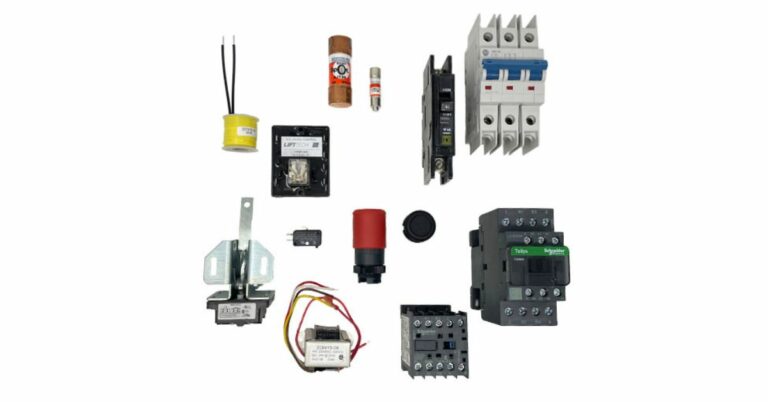
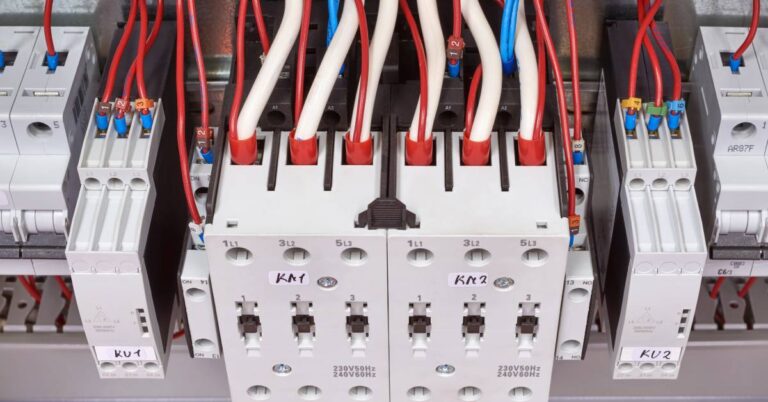
The effectiveness of a control station depends on the quality of its internal and external components. Common pendant control station parts include the actuator (the button itself), the contact block (which opens or closes the circuit), and the enclosure that protects everything. Indicator lights and emergency stop buttons are additional components that you can integrate depending on the application.
Some pendant stations are modular, allowing businesses to mix and match components for a tailored setup. This flexibility supports a variety of machine types and operational requirements. These parts are essential for smooth function and long-term durability, especially in environments with heavy use or exposure to elements.
Benefits Across Various Industries
Pendant control stations deliver consistent value across many sectors. For example, factories use pendant stations to give operators hands-on control of machines such as presses, conveyors, and assembly line equipment. Workers can start, stop, or adjust machines without leaving their workstations, which keeps production moving efficiently and safely.
Their simplicity is a major advantage. Workers don’t need extensive training to use them, which reduces onboarding time and minimizes operator errors. These stations also support workplace safety protocols, especially when fitted with emergency stop functionality. By combining dependable hardware with straightforward operation, pendant stations continue to support safe, productive work environments.
How pendant control stations function in operations illustrates their ongoing importance across industries. With the right design and components, these devices remain essential tools for keeping equipment and personnel safe, efficient, and in control.