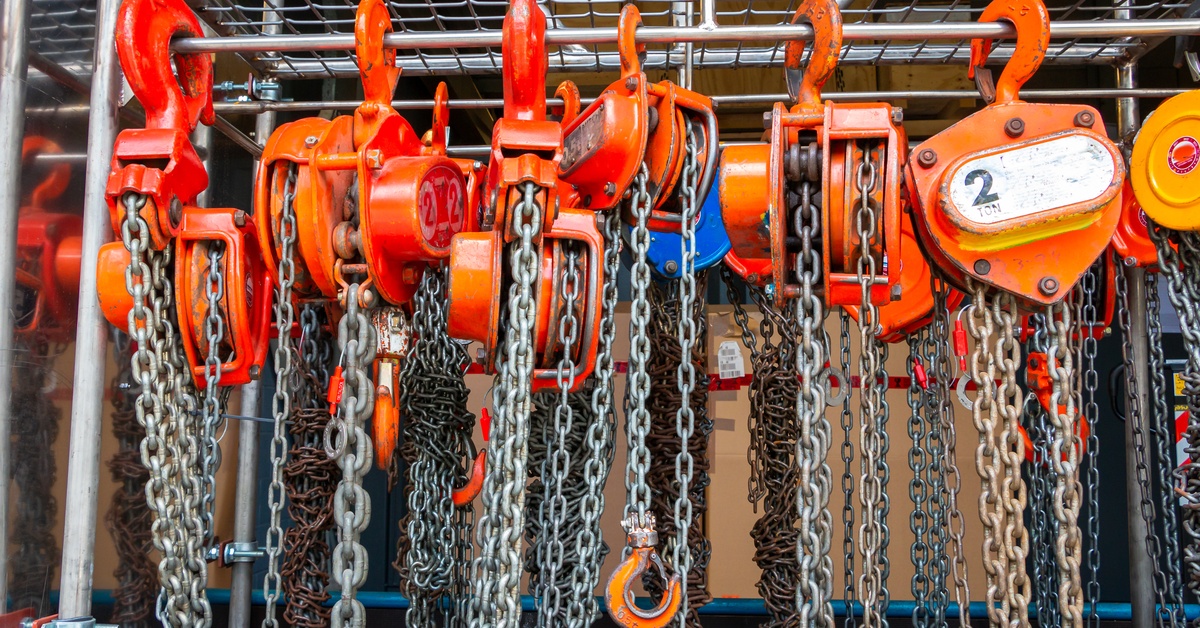
Key Electrical Components for Chain Hoist Systems
A chain hoist depends on more than a strong chain and a sturdy hook. The electrical system behind every lift carries just as much responsibility as the mechanical parts, and when one component fails, the whole operation stops. Maintenance teams and buyers who understand the key electrical components for chain hoist systems can spot problems early and order the right parts before a breakdown forces an unplanned shutdown.
The Motor and Its Supporting Parts
The electric motor sits at the heart of any chain hoist. It converts electrical power into the mechanical force that lifts and lowers the load. Most pushbutton-operated chain hoists use a single-phase or three-phase motor depending on the facility’s power supply.
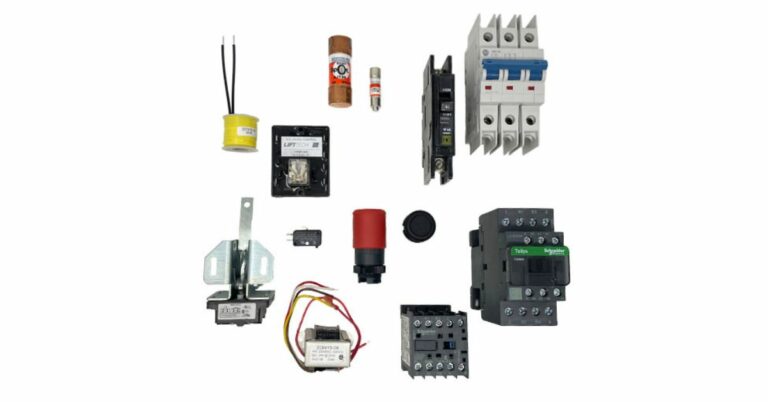
When a motor starts to underperform, the contactor and overload relay are the first places to check. These parts work together to protect the motor from damage caused by voltage spikes or excessive current draw.
Contactors and Control Relays
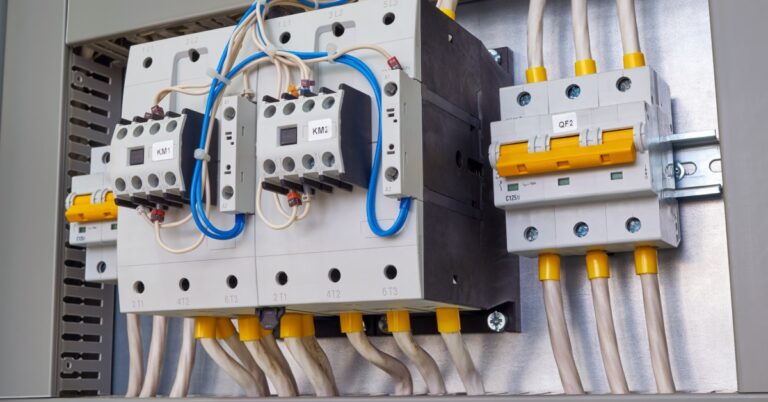
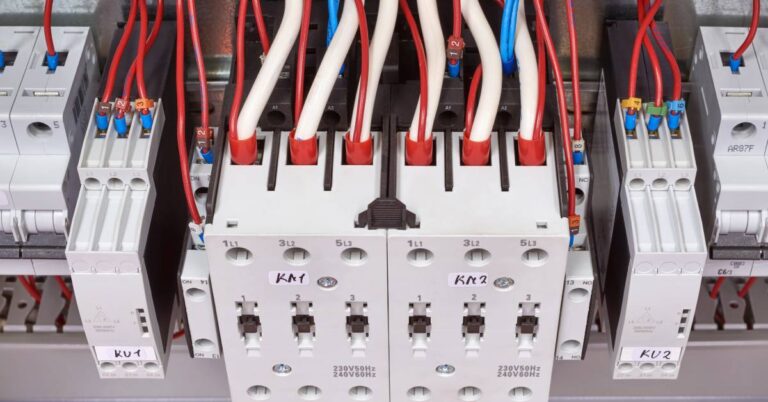
A contactor acts as a heavy-duty switch that handles the high current a hoist motor needs during operation. Every time someone presses a button to lift or lower a load, the contactor makes or breaks that electrical connection.
Control relays work with contactors to control direction changes, allowing the hoist to raise or lower the load on command. Worn contactors cause erratic behavior, and catching that wear early prevents longer downtime later.
Braking Components
The brake system on a chain hoist does more than stop movement. It holds the load in place when the operator releases the button. Hoist brake parts include the brake coil and brake disc, along with a spring assembly that governs how the brake engages and releases under load.
A failing brake coil can prevent the brake from fully releasing, straining the motor and creating unsafe lifting conditions. Regular inspection of these components keeps the hoist performing safely.
Pushbutton Stations and Wiring
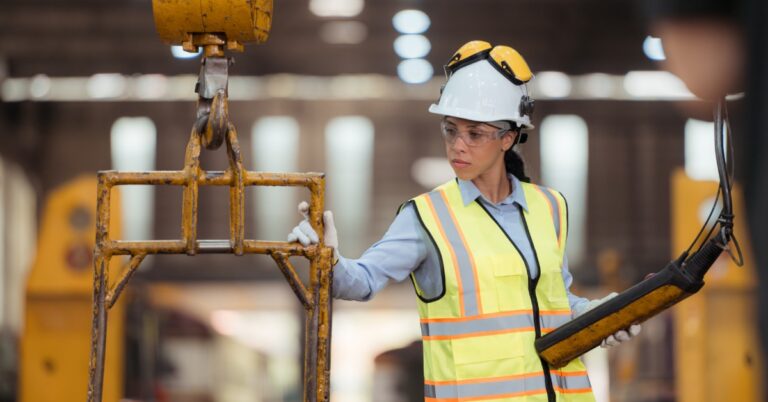
The pushbutton station is the interface the operator uses during every lift cycle. A quality station sends clean signals to the contactor each time, so the hoist responds without delay.
Weatherproof housing protects the facility’s internal components from dust and moisture. Several factors matter when selecting or replacing a pushbutton station:
- Number of control functions required (up, down, and emergency stop capability)
- Cable length and strain relief
- Button labeling for operator reference
- Voltage rating compatibility with the hoist control circuit
- Enclosure rating suited to the work environment
Every component in a chain hoist system carries a specific responsibility, and when one part wears out, the rest of the system feels it. Buyers who understand the key electrical components for chain hoist systems can diagnose problems faster and order the right parts the first time. Tanooga.com stocks a wide selection of electrical components for hoist systems, so buyers can find what they need without the runaround.