Time Delay Fuses Explained: Function and Uses
Whenever an electrical system sends too much current through a circuit, a fuse acts as the crucial safeguard that prevents serious damage and keeps things running smoothly. In this guide, you’ll discover the function and uses of time delay fuses and why they outperform standard fuses in demanding industrial environments.
What a Time Delay Fuse Really Does
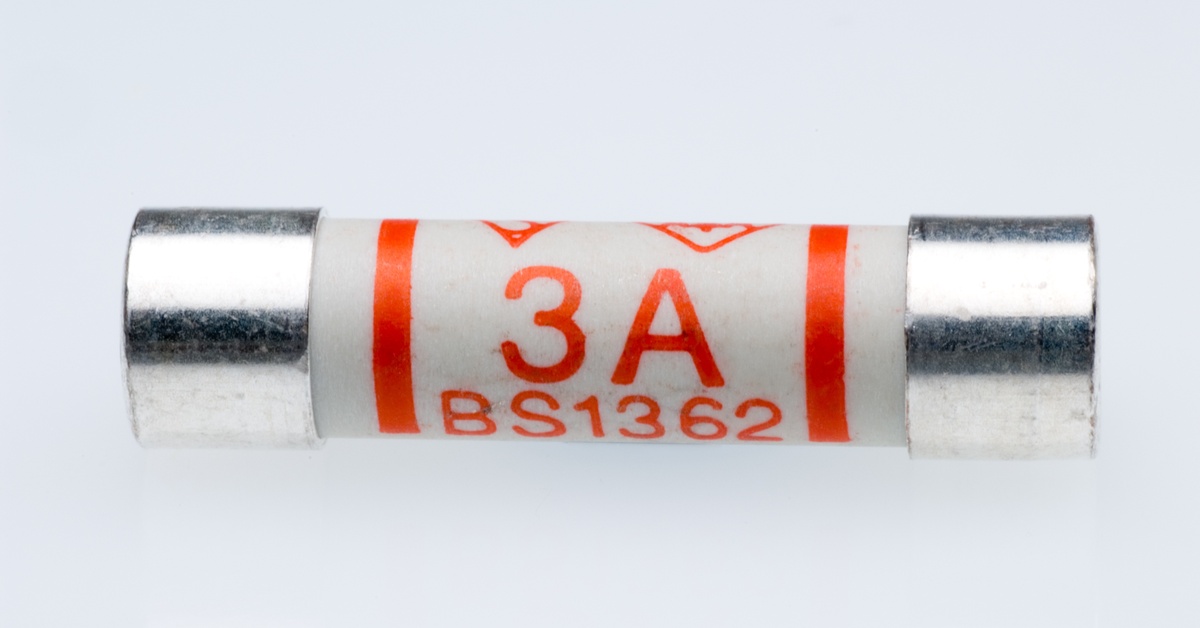
A time delay fuse, sometimes called a slow-blow fuse, tolerates brief surges in current without tripping. This matters because many motors and other inductive loads draw significantly more current at startup than they do during normal operation.
A standard fuse reads that startup surge as a fault and blows immediately, taking the circuit down with it. A time delay fuse holds steady through that transient spike, then responds quickly if a true overload or short circuit develops and persists.
Use-Cases for Time Delay Fuses
Time delay fuses are used across a wide range of industrial and commercial applications. Common use cases include:
- Motor starters and motor control circuits
- HVAC compressors and refrigeration units
- Transformers and power supplies
- Pump motors in water treatment or manufacturing
- Welding equipment with high inrush current demands
In each case, the equipment draws a high initial current that would trip a standard fuse immediately. Thanks to its time-delay feature, the fuse allows the system to run smoothly during normal startup while still protecting against real faults.
How the Right Industrial Fuse Holder Supports Performance
The fuse itself only performs as well as the hardware around it. A quality industrial fuse holder maintains a secure, low-resistance connection that prevents heat buildup and voltage drop.
Loose or corroded connections inside the holder introduce resistance, generating heat and potentially degrading fuse performance over time. Choosing a holder rated for the fuse’s voltage and current class keeps the entire protection system working as intended.
Selecting the Right Time Delay Fuse
Matching the fuse to the application comes down to two key specs: current rating and voltage rating. The current rating should align with the equipment’s full-load amperage, not its startup surge.
The voltage rating must be equal to or greater than the system voltage. Undersizing either spec puts the circuit at risk.
Oversizing the current rating defeats the protection entirely. When in doubt, consult the equipment manufacturer’s specs and work with a supplier who carries the full range of fuse classes.
Understanding the function and uses of time delay fuses gives you a clearer picture of how to protect motors, compressors, and other high-inrush equipment from nuisance tripping. Tanooga.com stocks a broad selection of time delay fuses and fuse holders for industrial applications across all major fuse classes.